1. Clicking late
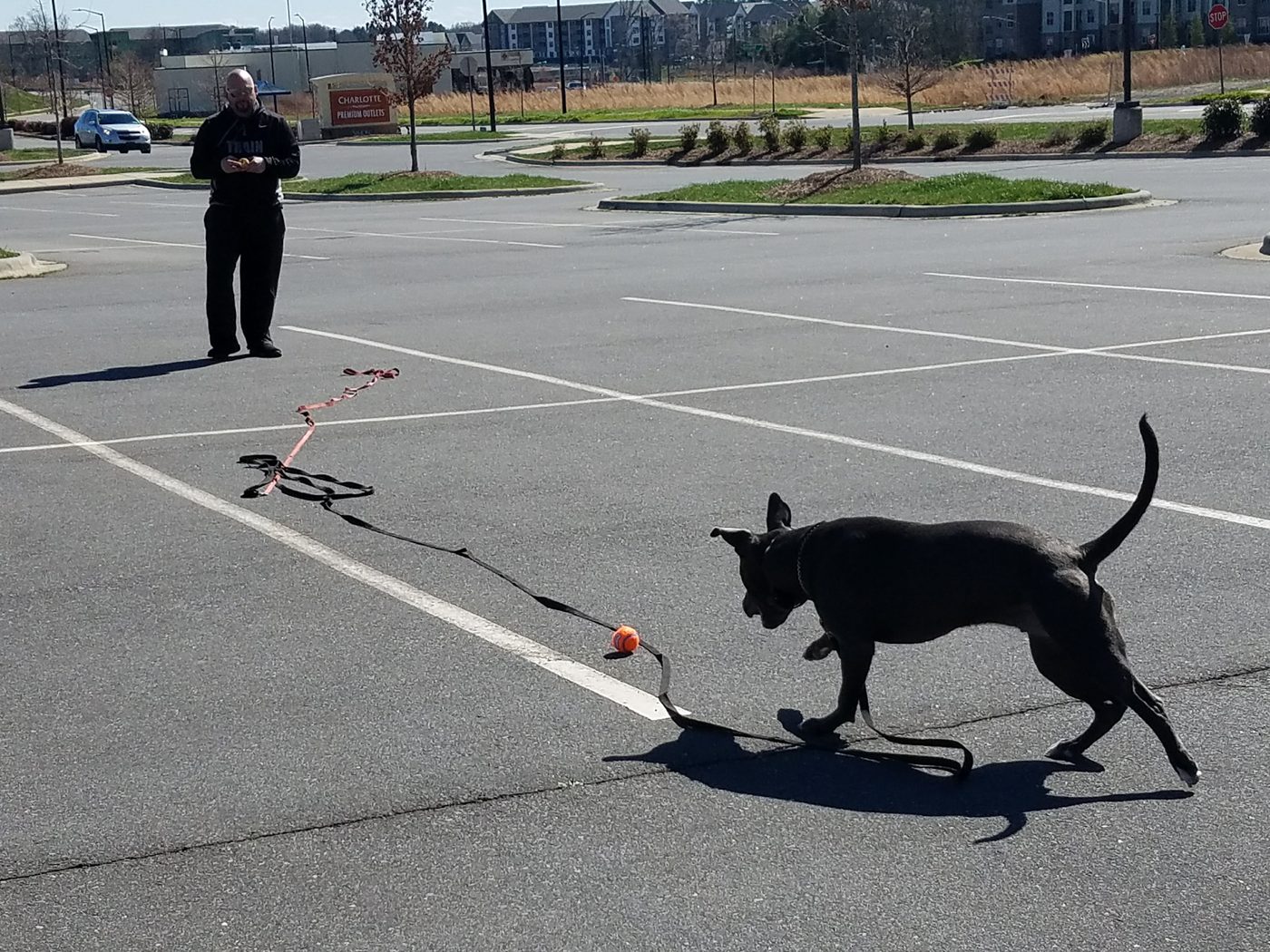
This is the big one. Your dog sits, you fumble for the clicker, you click — and by then your dog is already standing up to sniff the grass. You just paid for standing up and sniffing grass. The click marks the exact moment it happens, not the moment you get around to it. If you can't click in time, don't click at all — just treat the good moment and try again. Late clicks are worse than no clicks, because they teach your dog the wrong lesson with perfect confidence.
2. Clicking and not treating
Every click is a promise: a reward is coming. Click without a treat and you've broken that promise. Do it a few times and your dog stops caring about the sound entirely — the click becomes background noise, and you've lost the one tool that made your timing precise. This is also why you never click to get your dog's attention or to "try it out." The clicker is a marker, not a dinner bell. If you click it, pay it. Every time.
3. Nagging — saying the word five times
"Sit. Sit. Sit. SIT." By the third one, your dog has learned that the first two don't count. The cue becomes background noise, and you become the person your dog tunes out. Say it once. Then wait. If nothing happens, help your dog get it right — lure it, shape it, or reset and try again — but don't repeat the word louder and louder. A cue your dog hears once and respects is worth ten cues your dog has learned to ignore.
4. Training too long
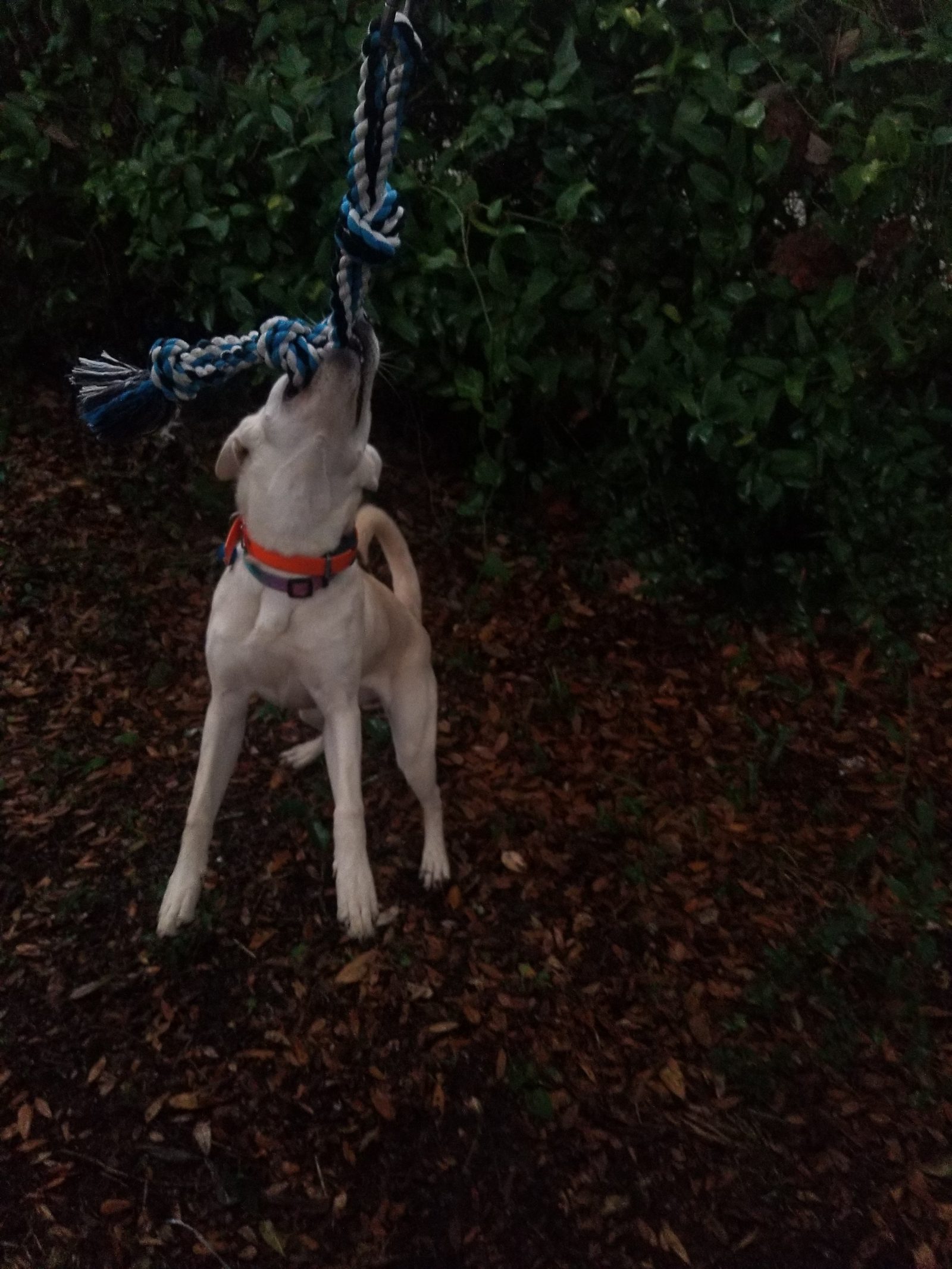
Thirty sloppy minutes teach a dog to check out. Five focused minutes teach a dog to love training. When your dog starts yawning, sniffing, looking away — that's not stubbornness, that's a tired brain telling you the session is over. Quit while you're ahead, on a win. A dog that ends sessions feeling successful is a dog that can't wait for the next one. A dog that ends sessions frustrated is a dog that learns training is something to endure, not enjoy.
5. Never fading the clicker — or the treats
Here's the mistake people don't see coming: they do everything right, and then they keep the training wheels on forever. The clicker is a teaching tool, not a lifelong remote control. Once a behavior is solid — your dog sits the first time, every time, in easy places — start fading. Click every other time, then every few times, then save the clicker for new behaviors and tough distractions. Same with treats: move from a treat every time to praise, real-life rewards, and a treat sometimes. The goal was never a pocket full of cookies. The goal is a dog who listens in real life, because the communication is clear.
Fix one mistake at a time. Pick the one on this list that sounds most like you, work on it for a week, and watch what changes. Training is a conversation — and conversations get better one honest correction at a time.
The bottom line
None of these mistakes mean you're a bad owner. They mean you're a normal owner doing a hard thing — communicating with another species. The clicker makes that communication sharper, but only if the person holding it is honest about their own timing. Get the timing right, keep the promise every time, say it once, keep it short, and fade the tools when the behavior is solid. Do that, and the dog you already have is the dog you've been trying to build all along.