The physical half: move the body
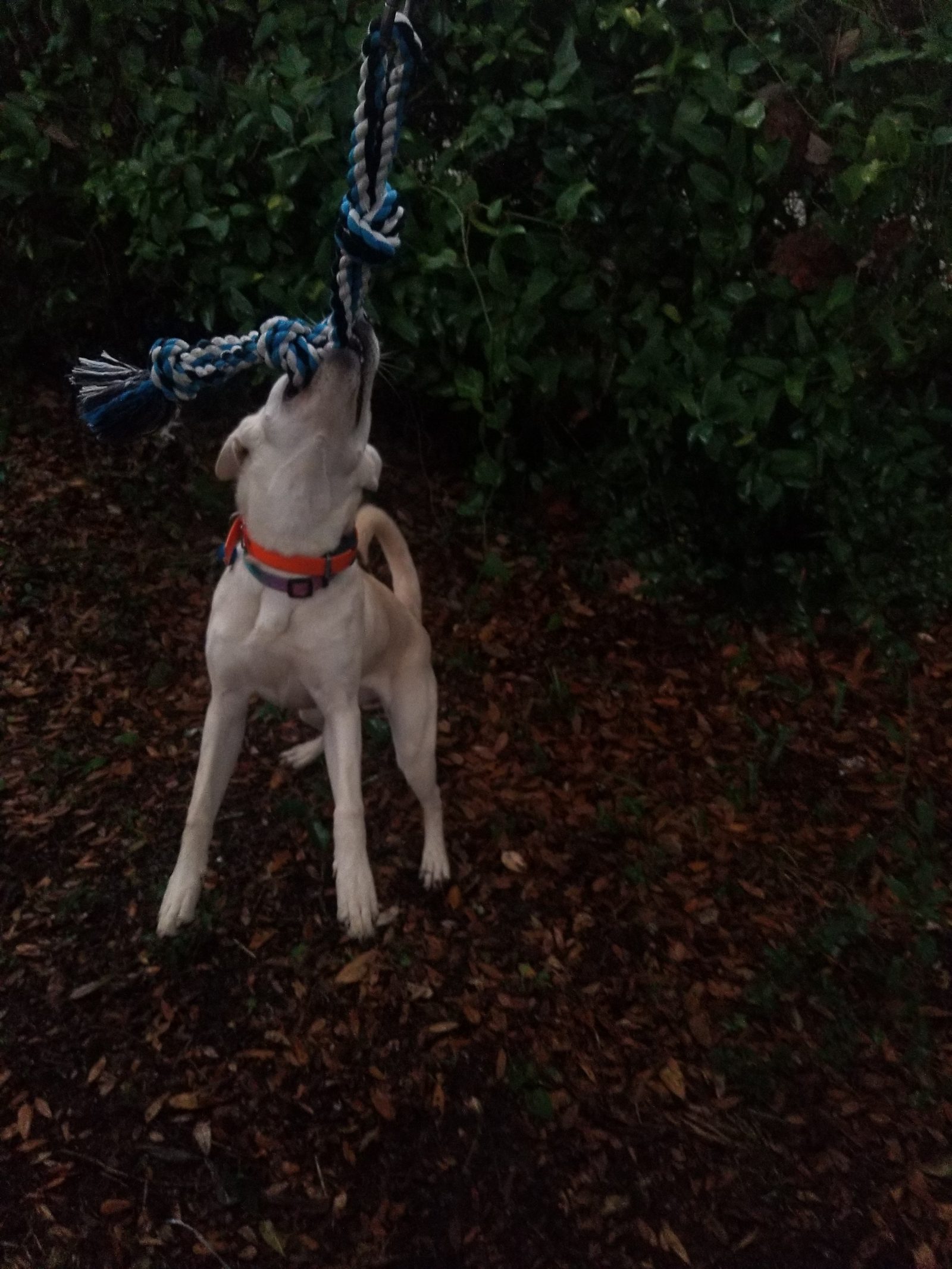
Dogs were built to move. Walks, play, swimming, running — physical exercise burns energy, keeps weight down, builds muscle and joints, and settles a dog's nervous system. Most adult dogs need a solid chunk of real activity every day, not just a trip to the yard. A yard is a bathroom, not a workout. And the amount depends on the dog: a young Lab needs far more than a senior Pug, and a working breed left in the house all day will find a way to spend that energy whether you help him or not.
Off-leash time matters most of all, where it's safe and legal. A dog running free, choosing his own pace, sniffing and exploring, gets more out of twenty minutes than an hour on a short leash at your heel. That's one reason training pays for itself — a dog with a reliable recall is a dog that gets to run.
The mental half: work the brain
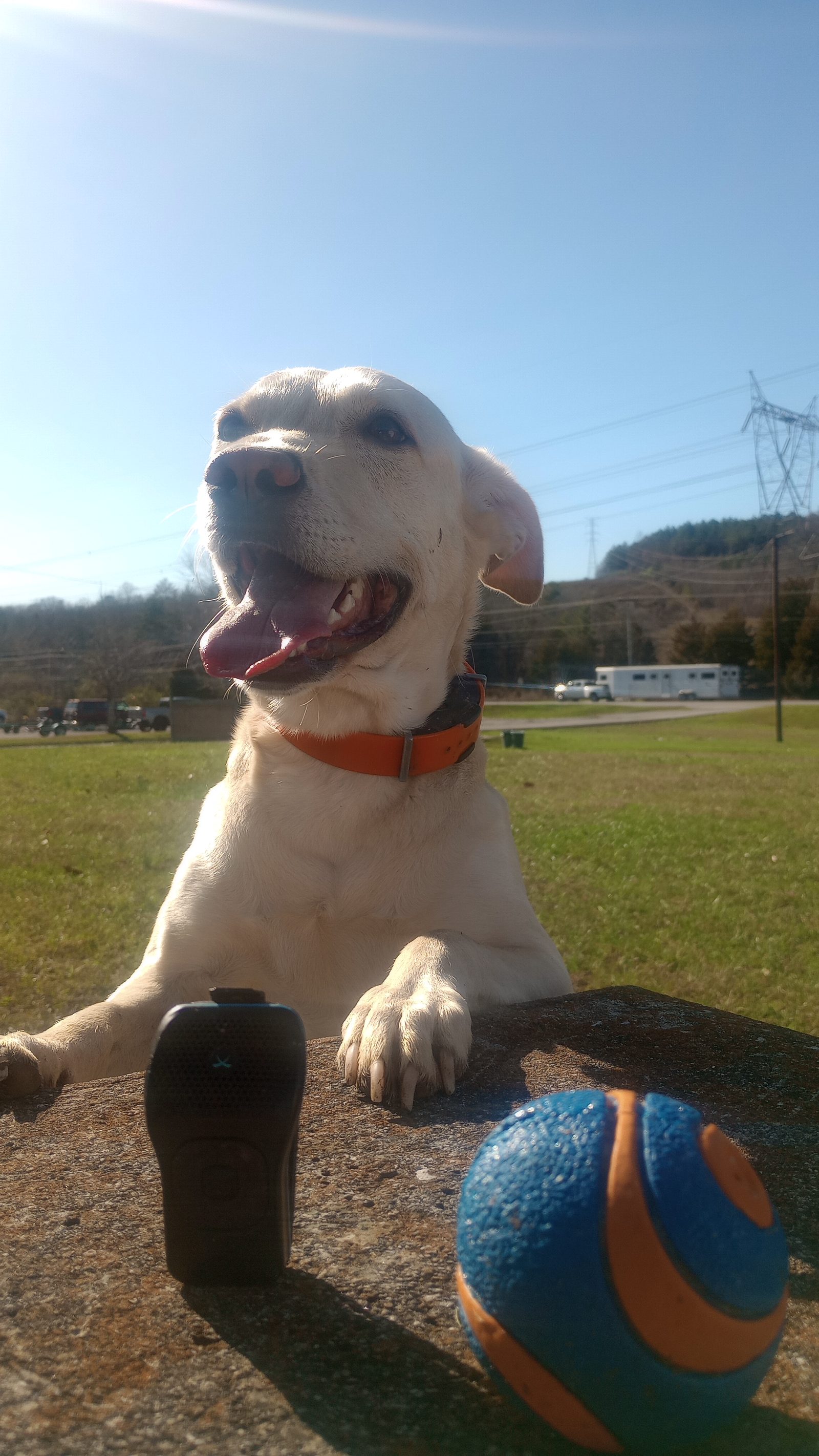
Here's the part most people miss. A dog's brain burns energy too, and mental work tires a dog out faster than physical work — and leaves him calmer afterward. Ten minutes of training is worth more than an hour of fetch for settling a dog down, because training asks the dog to think, choose, and control himself.
Mental exercise is anything that makes your dog use his nose and his brain: a short training session (five minutes, a few times a day), a walk where he's allowed to sniff instead of marching, a scatter of kibble in the grass to hunt for, a puzzle feeder, a long down-stay on his place bed while life goes on around him. Sniffing is the big one — a dog's nose is his main window on the world, and a "sniffy walk" where the dog gets to stop and read the neighborhood is real mental work, not wasted time.
What under-exercised dogs do instead
A dog with unspent energy and an unworked brain doesn't just sit quietly and wait. He invents a job: chewing the furniture, digging the yard, barking at the window, pestering you all evening, bouncing off the walls the second someone comes through the door. Most of the "behavior problems" owners call us about — the hyperactivity, the destruction, the constant pestering — aren't training problems first. They're exercise problems. The dog isn't bad. He's bored and full of fuel with nowhere to put it.
And the fix isn't just more running. A dog that gets two hours of fetch and zero thinking just becomes a fitter, more athletic dog with the same bored brain — and now he can destroy things faster. The mix is what matters.
A daily mix that works
Something like this, adjusted to your dog's age, breed, and health: a real walk with sniffing built in, a short training session or two, some play that involves you (tug, fetch with rules, flirt pole), and a calm job — a place stay while you eat dinner, a stuffed Kong, a puzzle feeder for one meal. Puppies and seniors need less and gentler work; high-energy breeds need more. If your dog has a health issue, check with your vet before ramping activity up — especially in summer heat, where Myrtle Beach dogs need water, shade, and shorter sessions in the middle of the day.
Tired body, tired brain, calm dog. Give your dog both kinds of work every day, and you'll be amazed how many "behavior problems" quietly disappear on their own.
Short training sessions count as mental exercise — start here: Clicker Training 101 →